What Does an Occupational Therapist Do? A Practical Guide for Children, Teens, and Adults
Families, carers and NDIS participants often hear the term Occupational Therapist, yet many people are unsure what the role actually involves or how occupational therapy can help in everyday life. Occupational Therapy is often misunderstood as being focused on employment alone, when in reality it supports people of all ages across daily living, independence and wellbeing.
Understanding what an Occupational Therapist does is an important step when exploring supports that improve how a person functions at home, school, work and in the community. Occupational Therapy is about enabling people to participate more fully in daily life, regardless of age, ability or diagnosis.
Below is a practical overview of how occupational therapy works, who it supports and what families and individuals can expect from the process.
What Is Occupational Therapy?
Occupational Therapy is a person-centred allied health service that focuses on helping people participate in everyday activities that are meaningful to them. These activities, often referred to as “occupations”, include tasks such as self-care, learning, working, socialising and moving safely within the community.
An Occupational Therapist works with individuals of all ages to identify barriers that may be impacting daily functioning and then develops strategies to improve independence, confidence and participation. These barriers may be physical, sensory, emotional, cognitive or environmental.
Rather than taking a one-size-fits-all approach, occupational therapy is tailored to the individual’s goals, strengths and support needs. Providers such as FABIC focus on personalised, evidence-based support that fits real-life needs.
What Does an Occupational Therapist Do in Practice?
An Occupational Therapist begins by gaining a clear understanding of the individual’s daily life, challenges and goals. This involves assessment, observation and collaboration with the person and their support network.
An Occupational Therapist may support individuals by:
- Assessing daily living skills such as dressing, eating, personal care and mobility
- Supporting emotional regulation and coping strategies
- Improving fine and gross motor skills
- Addressing sensory processing needs
- Supporting participation at school, work or in the community
- Recommending equipment or environmental modifications
- Building skills that support independence and safety
Occupational therapy looks at the whole person and their environment, ensuring strategies are practical and achievable in real-world settings.
How Occupational Therapy Supports Different Age Groups
Occupational Therapy is beneficial across the lifespan and can be adapted to suit different ages and stages of development.
Occupational Therapy for Children
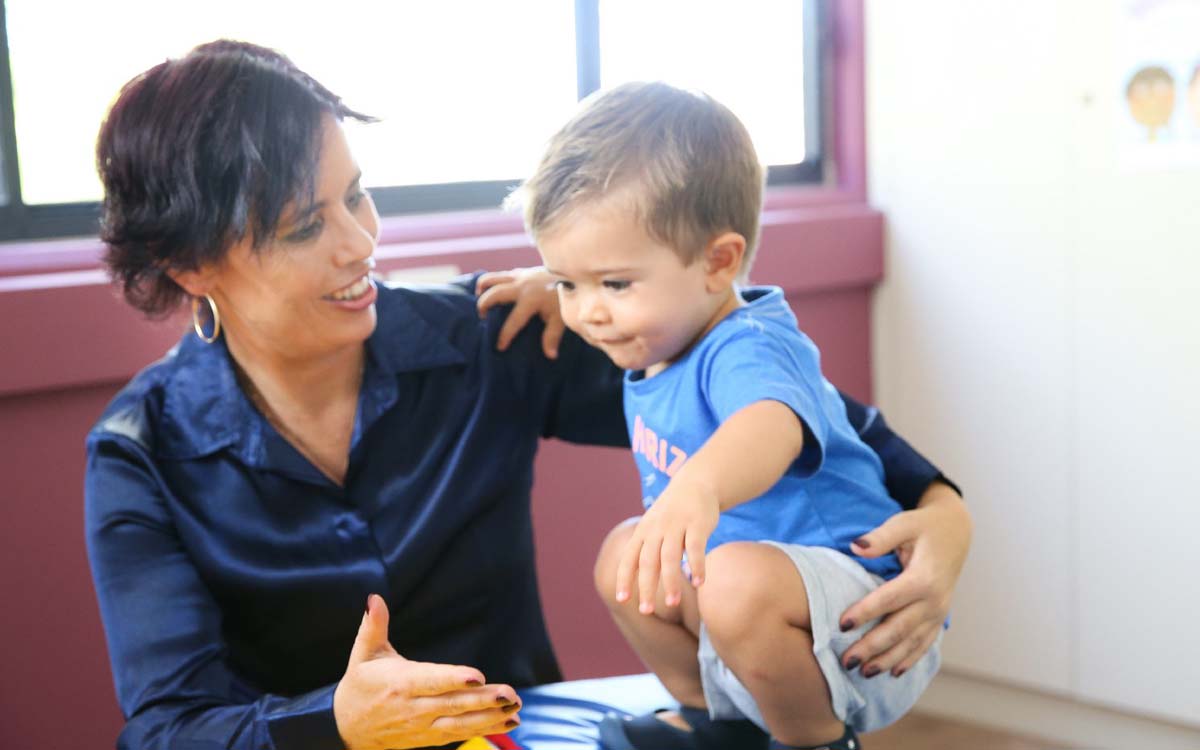
For children, occupational therapy often focuses on development, learning and play. This may include supporting fine motor skills, emotional regulation, sensory processing, independence with self-care tasks and participation at school.
Occupational Therapists work closely with families, educators and support workers to ensure strategies are consistent across environments.
Occupational Therapy for Teens
Adolescents may require support with emotional regulation, executive functioning, daily routines, social participation and transitioning to greater independence. Occupational therapy helps teenagers build the skills they need to manage increasing responsibilities.
Occupational Therapy for Adults
For adults, occupational therapy may focus on daily living skills, independence, emotional wellbeing, workplace participation and community engagement. OT support helps individuals maintain autonomy and confidence in everyday life.
Occupational Therapy and the NDIS
For NDIS participants, occupational therapy is a key support that helps individuals work towards their NDIS goals. Occupational therapy under the NDIS focuses on building capacity, improving functional skills and increasing participation across life domains.
An Occupational Therapist may assist with:
- Functional Capacity Assessments (FCA)
- Goal setting and progress reporting
- Skill development to support independence
- Environmental recommendations
- Collaboration with support coordinators and allied health teams
OT services are often delivered in the person’s home, school, workplace or community to ensure strategies are relevant and effective.
Learn more about FABIC’s Occupational Therapy services:
How Occupational Therapy Helps with Daily Living
One of the most common reasons people access occupational therapy is to improve daily living skills. Daily living includes tasks essential for independence and wellbeing, such as self-care, meal preparation, mobility and managing routines.
Occupational therapy helps by:
- Breaking tasks into manageable steps
- Teaching practical strategies that reduce stress and fatigue
- Adapting environments to support safety and accessibility
- Building confidence through skill development
- Supporting routines that feel achievable and sustainable
Over time, these supports help individuals feel more capable and independent in their everyday lives.
What Families and Carers Can Expect
Occupational therapy is a collaborative process. Families and carers play an important role in supporting progress and consistency. An Occupational Therapist will work closely with families to understand priorities, provide guidance and adapt strategies as needs change.
Families can expect:
- Clear communication and goal setting
- Practical strategies that fit into daily routines
- Ongoing review and adjustment of supports
- A respectful and strengths-based approach
Related Reading
When Should You See an Occupational Therapist? Signs, Benefits, and NDIS Support
https://www.fabic.com.au/blog/when-should-you-see-an-occupational-therapist/
Understanding what an Occupational Therapist does helps individuals and families make informed decisions about support options. Occupational therapy focuses on building practical skills, supporting independence and improving quality of life across all ages.
Whether supporting a child’s development, a teenager’s growing independence or an adult’s daily functioning, occupational therapy provides tailored, meaningful support that fits real-life needs.
If you are considering occupational therapy support for yourself or someone you care for, contact FABIC today to book in with an experienced Occupational Therapist and explore personalised support options.