
Jul22
Why Do People Behave the Way They Do? Understanding What Sits Beneath Behaviour
“Why are they doing this?” It is a question many of us ask when someone shouts, withdraws, refuses, repeats an action, damages something or behaves ...
Jul22
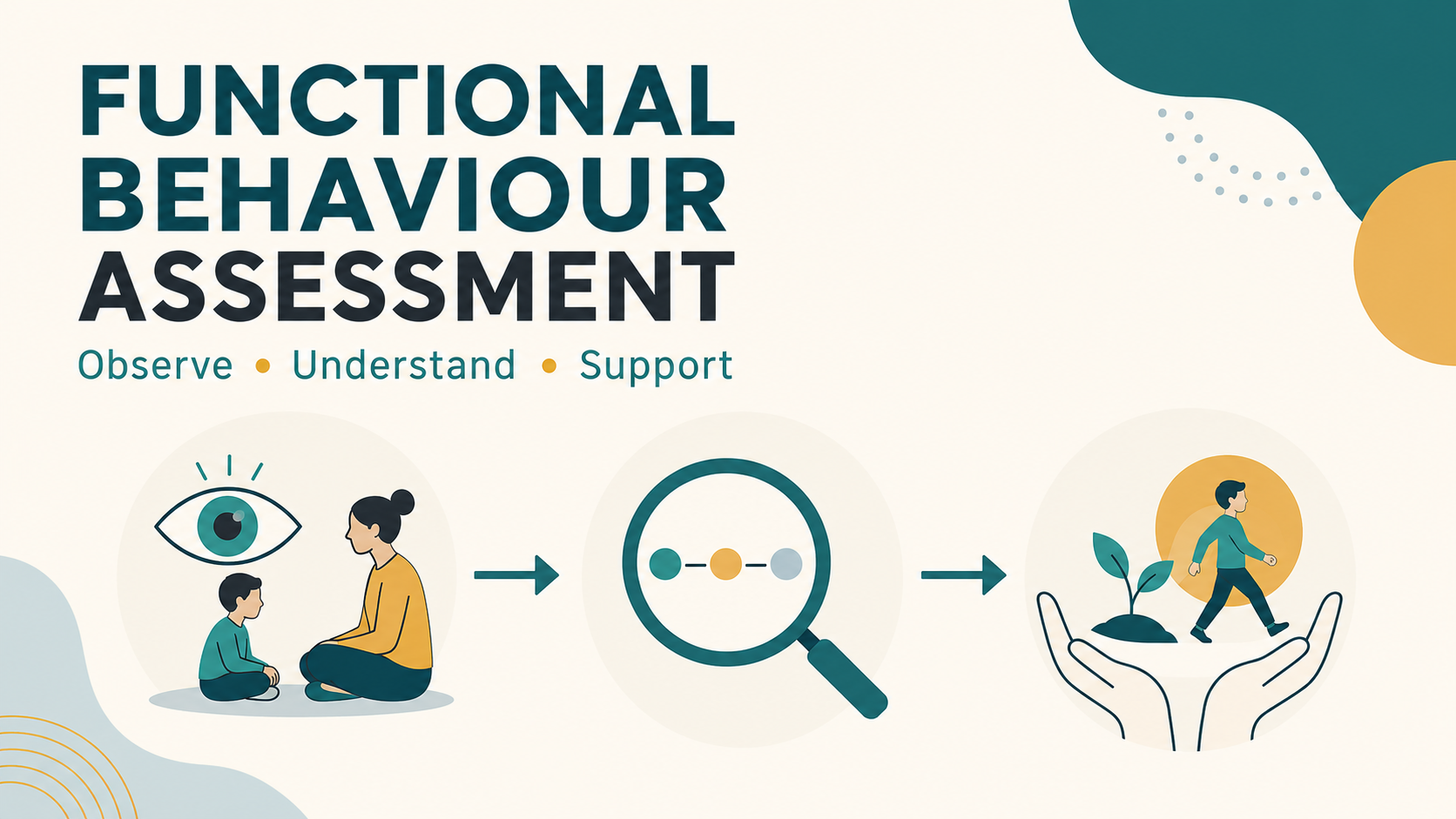
What Is a Functional Behaviour Assessment, and What Actually Happens?
When behaviour is affecting safety, relationships, learning, independence or everyday life, it is understandable to want an answer—and often a quick solution. But before we ...
Jul22
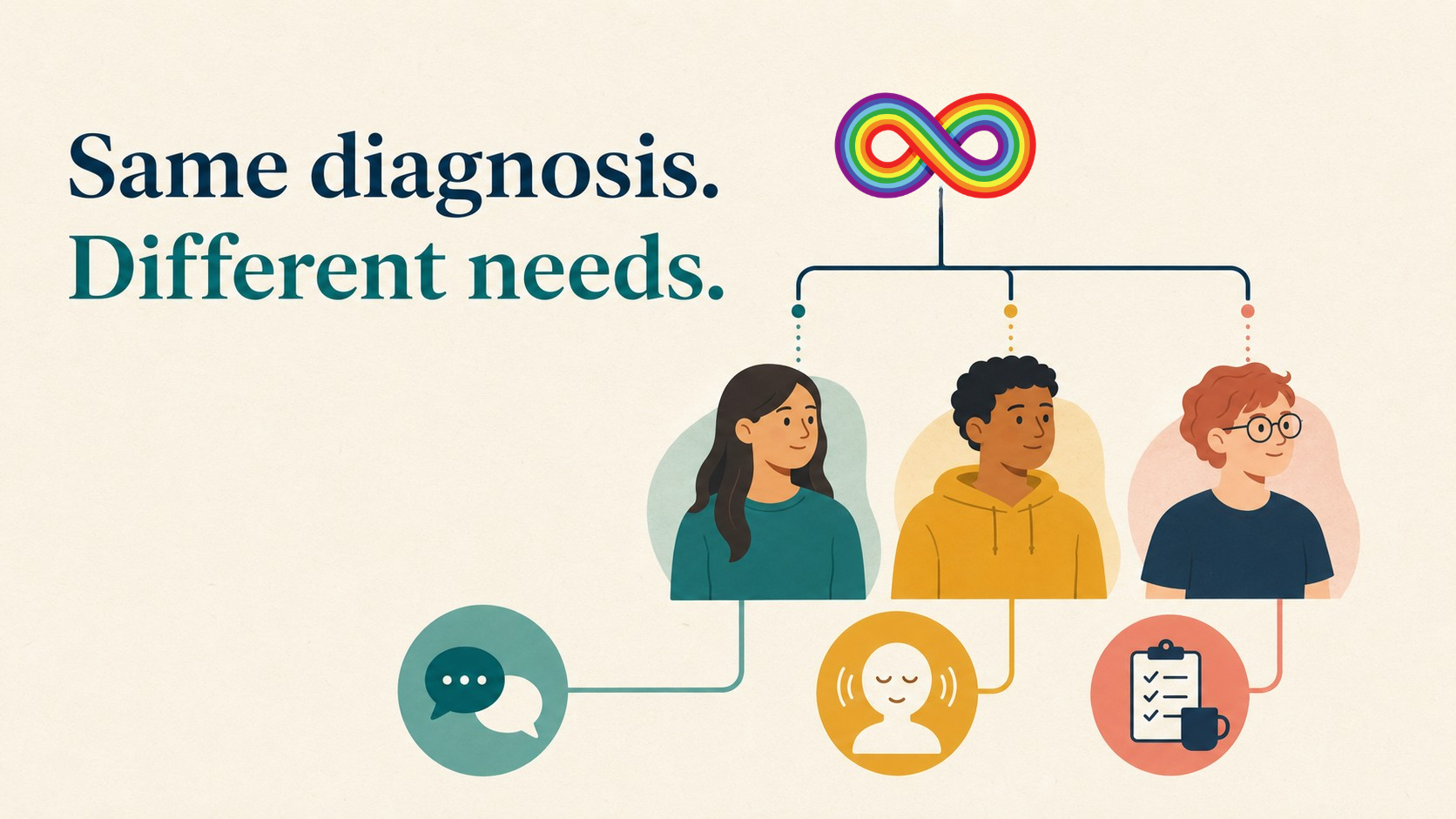
Why Individualised Support Matters: The Same Diagnosis Does Not Mean the Same Needs
Two people can have the same diagnosis and experience life in completely different ways. They may communicate differently, respond to different environments, enjoy different activities, ...
Jul22
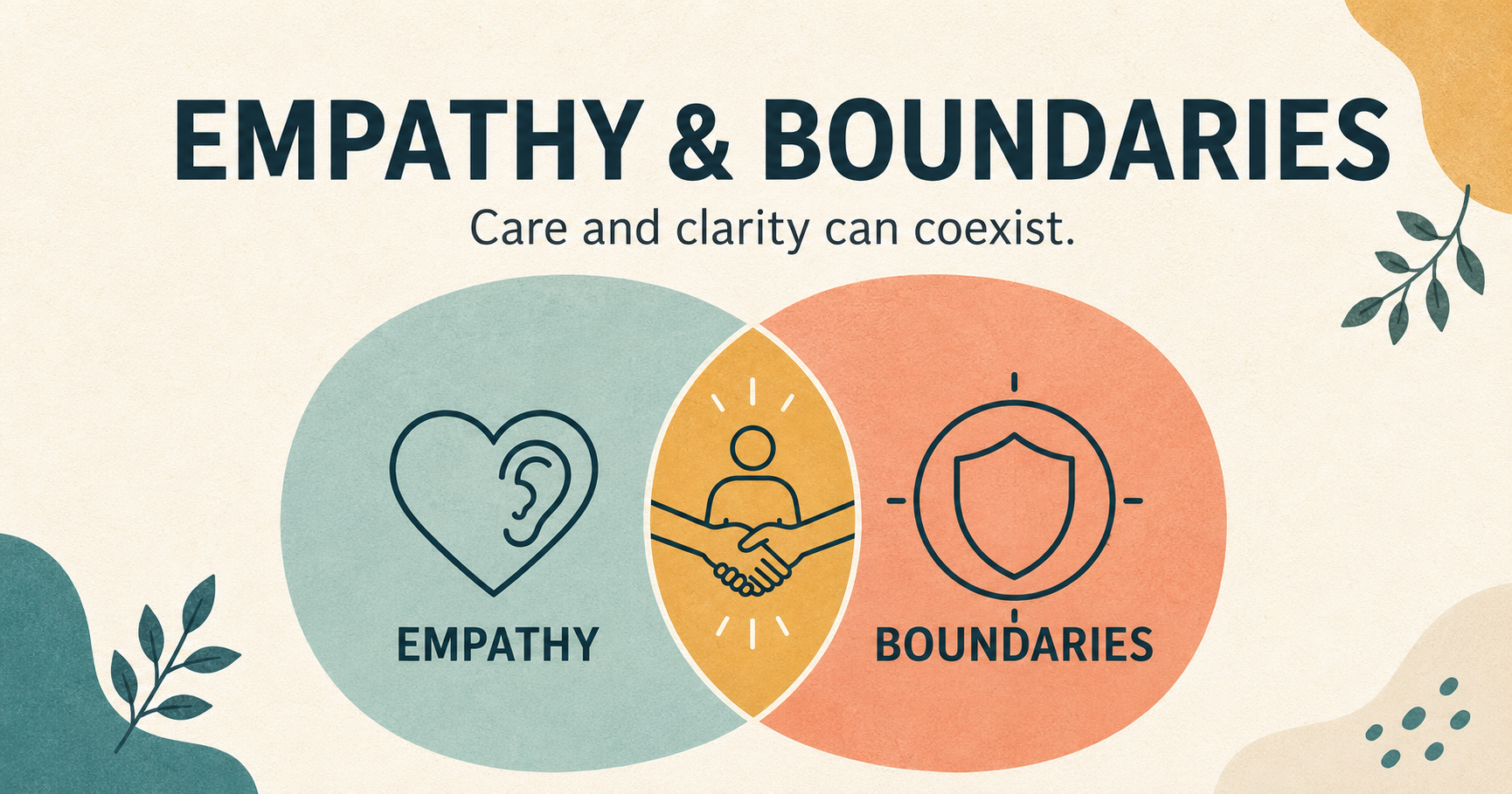
Empathy and Boundaries: How to Understand Behaviour Without Accepting Harm
Someone you care about is distressed. You can understand why.
Jul22
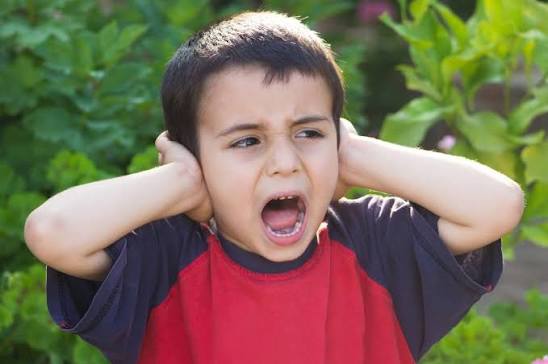
What to Do When Someone Is Dysregulated: Settle First, Teach Later
Someone raises their voice. They begin pacing, crying, repeating themselves, shutting down or pushing everyone away.

Jul21
What Is Empathy, and How Do We Increase Our Own Empathy?
Empathy is often described as putting yourself in someone else’s shoes. That is a helpful starting point, but it can miss something important: the shoes ...
How Positive Behaviour Support Can Improve Communication, Independence, and Daily Living
How Positive Behaviour Support Can Improve Communication, Independence, and Daily Living Positive Behaviour Support (PBS) is often associated with reducing behaviours of concern. While ...
What Does a Behaviour Support Practitioner Do? A Full Guide for Families and Carers
What Does a Behaviour Support Practitioner Do? A Full Guide for Families and Carers NDIS participants, families and carers often hear the term behaviour support ...