
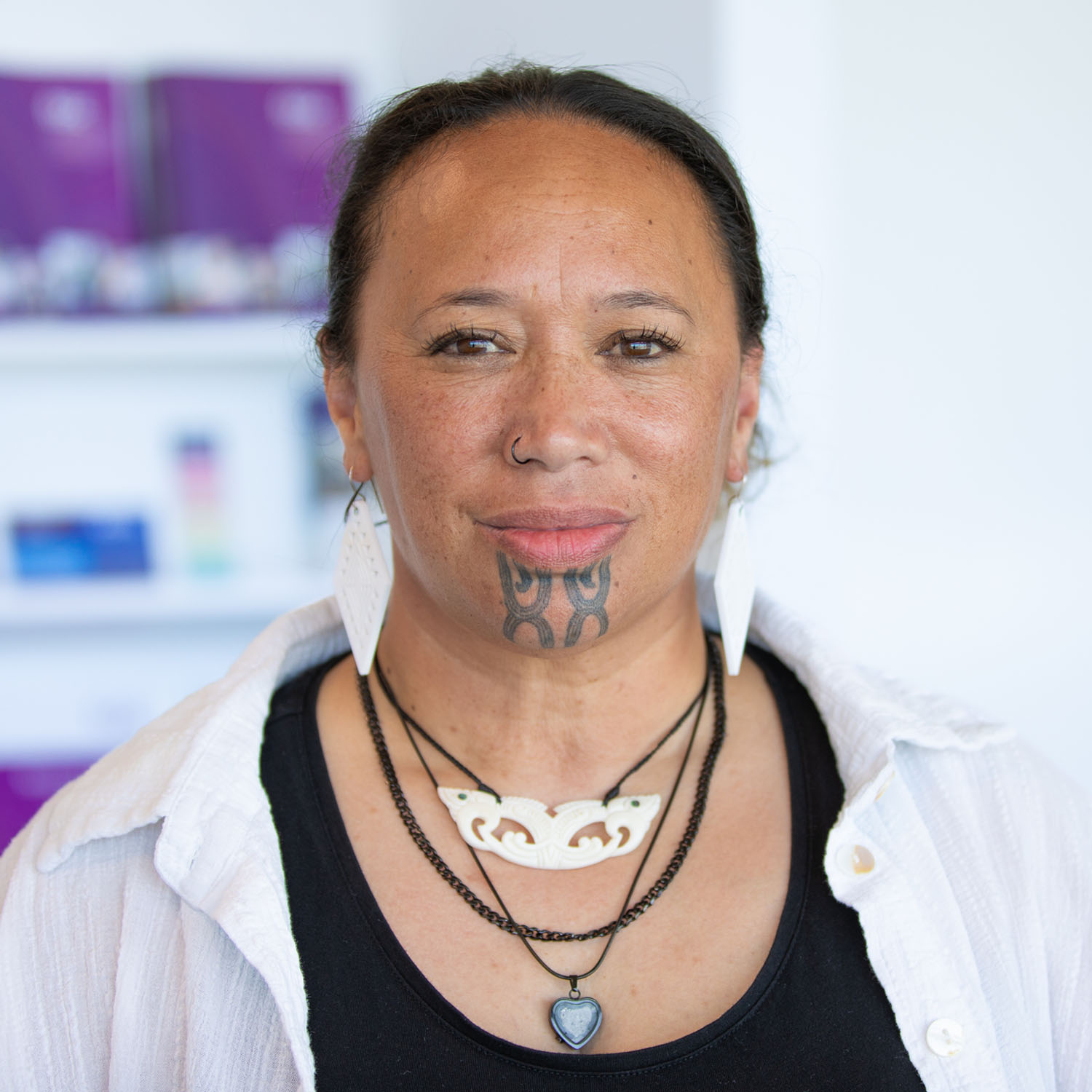
I am a Behaviour Support Practitioner at FABIC, and I bring a deeply caring, community-minded and highly relational approach to my work. I am especially drawn to people who are often seen as “too hard,” misunderstood, rebellious or challenging, because I know there is always more going on underneath the surface. I work with adults at the moment, though my background and experience span children, young people and families as well, and I feel comfortable supporting a broad range of ages and needs.
A big part of my strength is building trust with people who may not open up easily or who have complex needs. I value consistency, patience and taking the time to let a person feel safe with me first. Even with clients who are non-verbal, I pay close attention to body language, small cues, shifts in energy and the little signs that show comfort, trust or distress. I believe those things matter, and I work gently and consistently so the person feels understood rather than pushed.
My approach is shaped by a strong sense of community. I do not see behaviour in isolation, and I do not only look at the individual. I look at the wider picture — the family, the support workers, the environment, the relationships, the routines, and the things that may be contributing to what is happening. What drew me to behaviour support was exactly that: the understanding that by supporting not just one person, but the whole community around them, you can create better care and more lasting change.
I am particularly drawn to clients with autism, more complex needs, non-verbal presentations, and behaviours that others may find confronting or difficult to understand. I have a real heart for people who have been labelled too quickly or placed in the “too hard basket.” I think part of that comes from my own life experience of knowing what it feels like to be misunderstood, and because of that, I naturally look for the deeper reason underneath the behaviour rather than reacting only to what is visible.
My path into this work has come through a lifetime of caring for others. I am the eldest of 12 siblings, and after my mother passed away when I was 18, I stepped fully into the role of caring for my younger brothers and sisters while also later raising my own four children. That sense of responsibility, nurture and advocacy has always been a natural part of who I am. Over time, that grew into more formal roles through teaching, support work and eventually completing a Bachelor of Social Work in New Zealand, all of which strengthened my desire to work alongside people in ways that are practical, empowering and deeply human.
I also bring strong cultural grounding to the way I work. In New Zealand, I taught Māori singing, movement and weaponry to young people, including troubled youth, using culture, discipline and connection to help them channel anger, build self-respect and see the goodness in themselves. That experience reinforced something I have always believed: when people are given the right support, structure and understanding, they can grow far beyond what others may expect of them.
Alongside my own lived experience, I have also been deeply guided by my elders and by the close people I have lost throughout my life’s journey. Their wisdom, strength and presence continue to shape the way I see people, the way I hold space, and the way I understand what truly matters in this work.