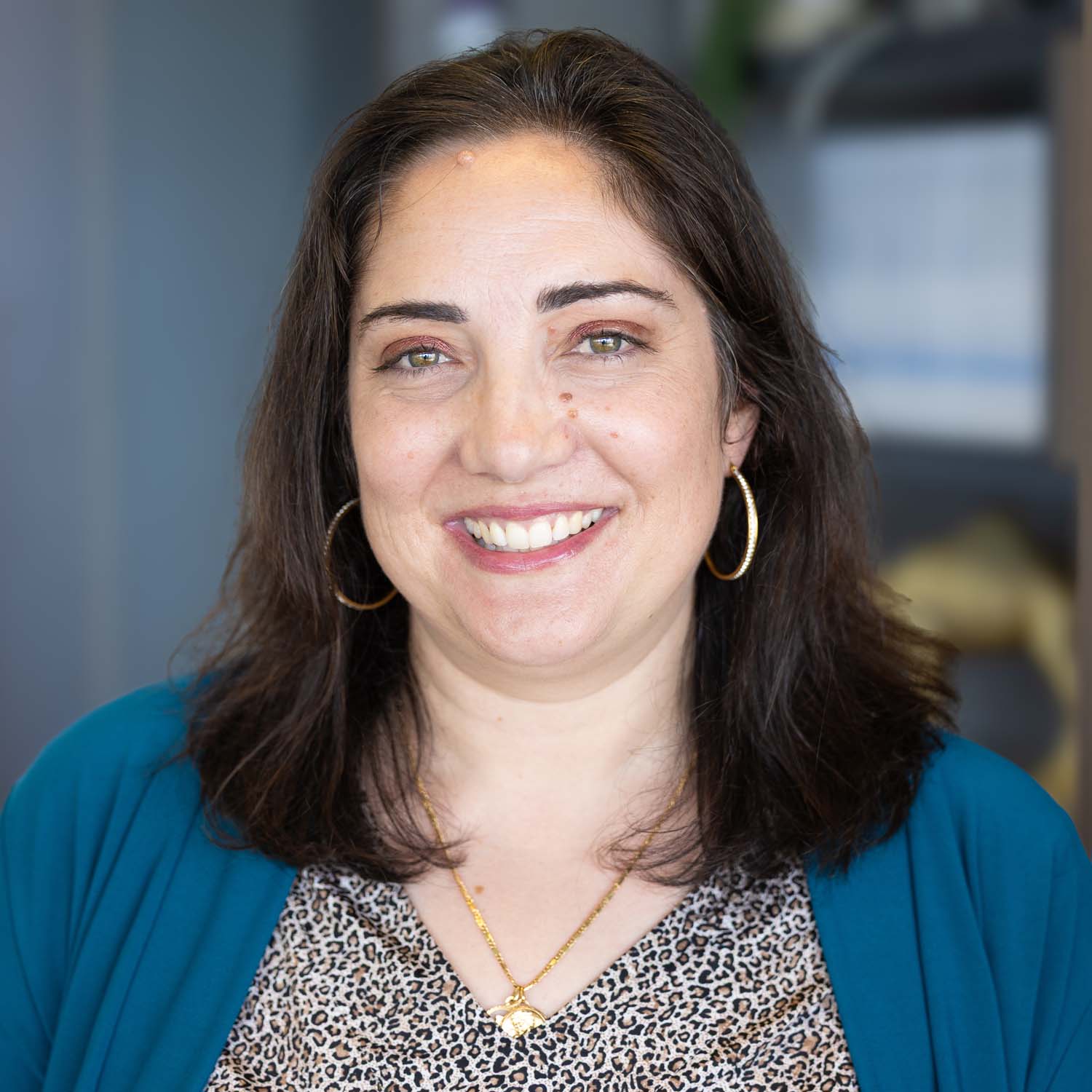
One of my biggest strengths is that I genuinely understand the impact behaviour support has on the whole family. As a parent of two autistic boys myself, I know what it is like to feel exhausted, stretched, and constantly searching for the right support. I understand how deeply a child’s needs can affect a family’s mental, physical and emotional wellbeing, and I also know how hard it can be when the right help is not in place. That lived experience shapes the way I work and helps me support families in a way that feels realistic, grounded and free from judgement.
My approach is collaborative, adaptable and focused on understanding the reason underneath the behaviour. I see behaviour as communication, and I work closely with families and support teams to understand what is really going on, what skills are missing, and what structures or supports will help. I value practical tools that can be used consistently in daily life, such as clear expectations, visual supports, routine-building and token economy systems, while always tailoring the approach to the individual child and family.
I am especially passionate about helping families feel less alone and more capable. I know there is rarely a quick fix, and that meaningful change often comes through small, consistent steps over time. I have seen how even small shifts can create lasting behaviour change and how those small gains can completely change the experience of daily life for a participant and their family. What once feels like exhaustion and overwhelm can gradually become a space where the participant and their family are more settled, more connected, and better able to see their true potential.
My path into this work came through lived experience. Before entering the disability sector, I worked in the film industry in producing and talent development. When my eldest son was diagnosed, I found myself helping other families navigate the NDIS and access the support they needed, which naturally led me into support coordination. Over the past four years working as a support coordinator, I have seen firsthand how hard it can be for families to find the right services and how few skilled professionals there are who can truly support lasting change. Through Tanya Curtis and FABIC, I saw the difference that behaviour support can make, and that is what led me into this work.