
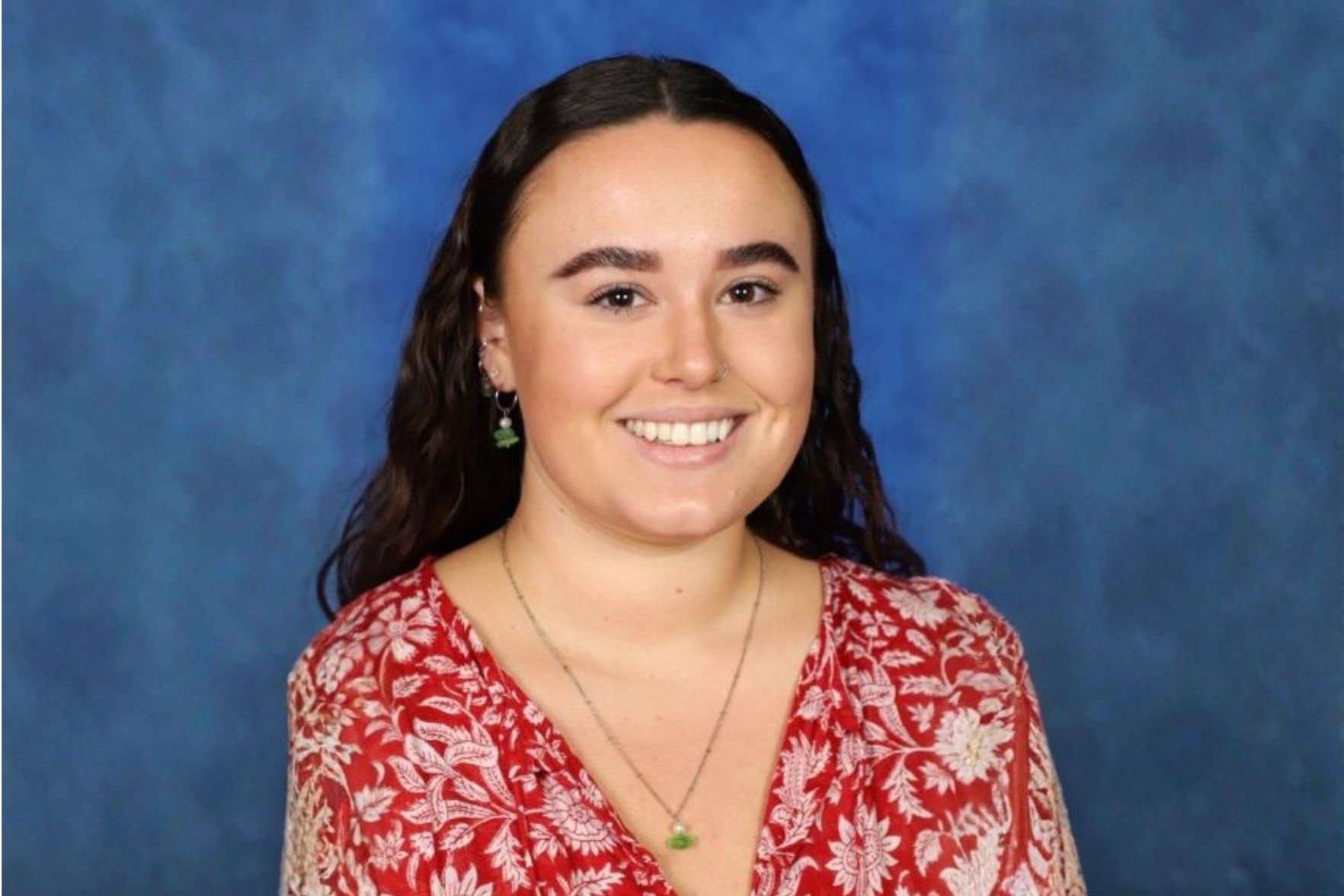
I have always been fascinated by the “why” behind behaviour. For me, behaviour is a form of communication, and understanding what sits underneath it is one of the most important parts of supporting meaningful change. I am a Behaviour Support Practitioner at FABIC, and I bring a person-centred, trauma-informed approach that focuses on understanding the individual rather than defining them by their behaviour.
Much of my experience has been with children and young people, particularly those with ASD, ADHD, trauma backgrounds and other neurodivergent presentations. Before joining FABIC, I spent around seven years working as a Student Learning Support Officer within the NSW education system, supporting neurodivergent students in the classroom with their learning, social development and day-to-day participation. I later worked within the Child Wellbeing and Mental Health Services Unit across nine primary schools in Northern New South Wales, delivering support around grief, trauma, loss and change through both group programs and intensive one-to-one work.
One of my greatest strengths is being able to meet a child exactly where they are. I have learnt that simply explaining something to a child is not always enough. Sometimes we need to play, role-play, practise, experiment and find a way of communicating that makes sense to that individual child. I have used play-based approaches to help children practise losing games, taking turns, communicating frustration and expressing themselves with words rather than through behaviours that may be harmful or disruptive.
I am especially passionate about early intervention and supporting children whose behavioural, emotional or social challenges are beginning to affect their experience at school. I have worked extensively with children who find sharing, making friends, handling change, managing frustration or navigating social situations difficult. I also saw first-hand the significant social and communication gaps that emerged for some children following the COVID lockdowns, particularly children who missed important opportunities to practise playing, sharing and interacting with their peers during their early developmental years.
My approach is also strongly trauma informed. In previous roles I worked closely with child wellbeing services and supported children and families experiencing significant challenges. I understand that what we see on the surface is often only one part of the story, and I believe it is important to understand the barriers, experiences and unmet needs that may be contributing to a person’s behaviour before deciding what support is needed.